If you’ve spent time and money building a website but it still isn’t showing up on Google, you’re not alone. Many businesses face this issue, especially when the website looks great on the outside but lacks the right optimization inside.
Search engines need the right signals to understand your content, rank your pages, and show your website to potential customers. If those signals are missing, your website simply won’t appear.
Here are the 7 most common reasons your website isn’t ranking on Google — and what you can do to fix them.
1. Weak or Missing On-Page SEO
On-page SEO is the foundation of ranking. If you skip it, Google won’t understand what your website is about.
Common issues include:
- No optimized meta titles or descriptions
- Missing H1 and H2 headings
- No keyword targeting
- Unoptimized images
- Weak internal linking
Fixing your on-page SEO can improve rankings faster than almost anything else.
2. Your Website Loads Too Slowly
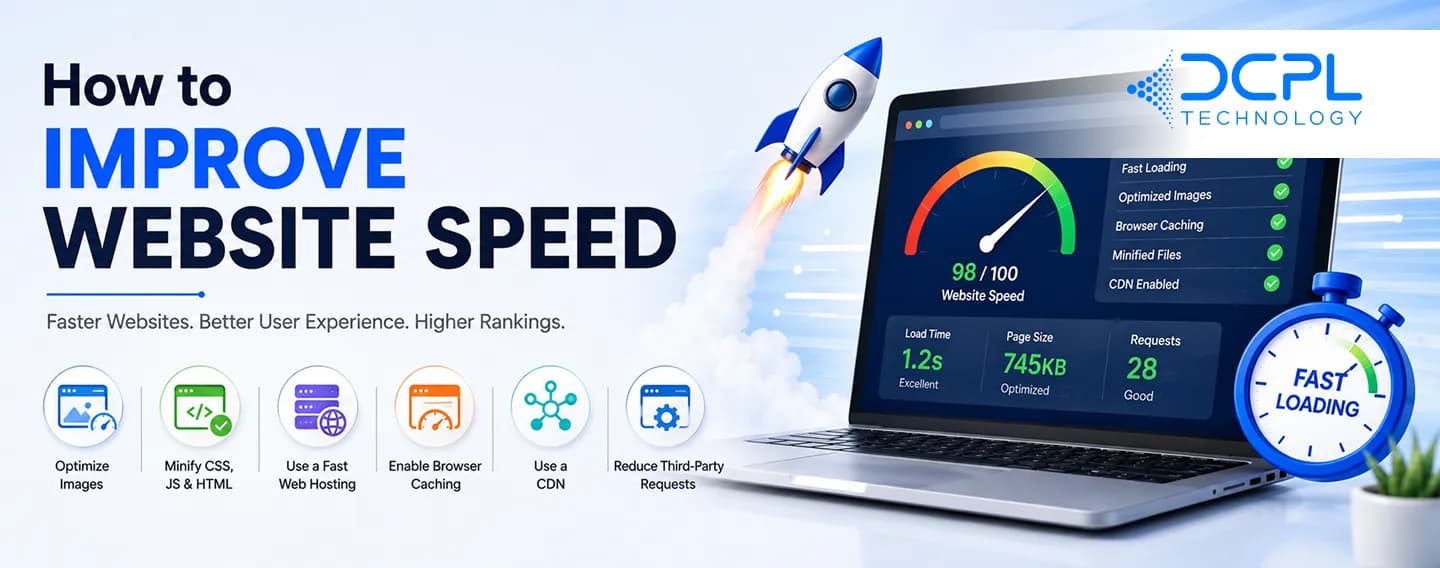
Google prefers fast websites. Slow loading speed affects rankings and user experience.
Why websites become slow:
- Large images
- Poor hosting
- Heavy scripts
- Outdated web design structure
A professional web development company can optimize your website speed and performance.
3. Not Enough High-Quality Content
Google ranks pages that solve user problems and provide value.
If your content is thin, outdated, or copied, your rankings will suffer.
What Google wants:
- Detailed, helpful blog posts
- Relevant service pages
- Clear information
- Proper keyword usage
Publishing consistent, high-quality content builds trust and improves SEO over time.
4. Lack of Backlinks and Authority
Backlinks act like votes from other websites. If your site has no backlinks, Google sees it as less trustworthy.
Ways to build authority:
- Guest posts
- Local citations
- Business listings
- High-quality blog content worth linking to
Even a small number of strong backlinks can improve your ranking.
5. Your Website Is Not Mobile-Friendly
Most users browse on mobile, and Google ranks mobile-friendly sites first.
If your layout is broken, slow, or hard to use on mobile, rankings drop instantly.
Signs your site has mobile issues:
- Text too small
- Buttons too close
- Layout shifts
- Slow mobile loading
A modern website design company can ensure your design works perfectly on all devices.
6. No Local SEO Optimization
If you run a local business, but your website doesn’t use:
- location keywords
- Google Business Profile
- local citations
…then you will never rank in “near me” searches.
Local SEO helps you appear for users searching in your city or area — and it’s essential for real business growth.
7. You’re Not Using Google Tools
Many businesses avoid using Google Search Console or Analytics — and this is a huge mistake.
These tools show:
- what keywords you rank for
- errors on your website
- indexing problems
- performance issues
Fixing these issues can help your ranking climb more quickly than you expect.
Final Thoughts
Ranking on Google is not magic — it’s a process. If your website isn’t ranking, it simply means Google isn’t getting the right signals. Once you fix your on-page SEO, improve content, optimize speed, and strengthen your local SEO, you’ll start seeing real improvements.
If this feels overwhelming, partnering with a professional SEO company or choosing reliable SEO services can give your website the boost it needs to reach the first page.