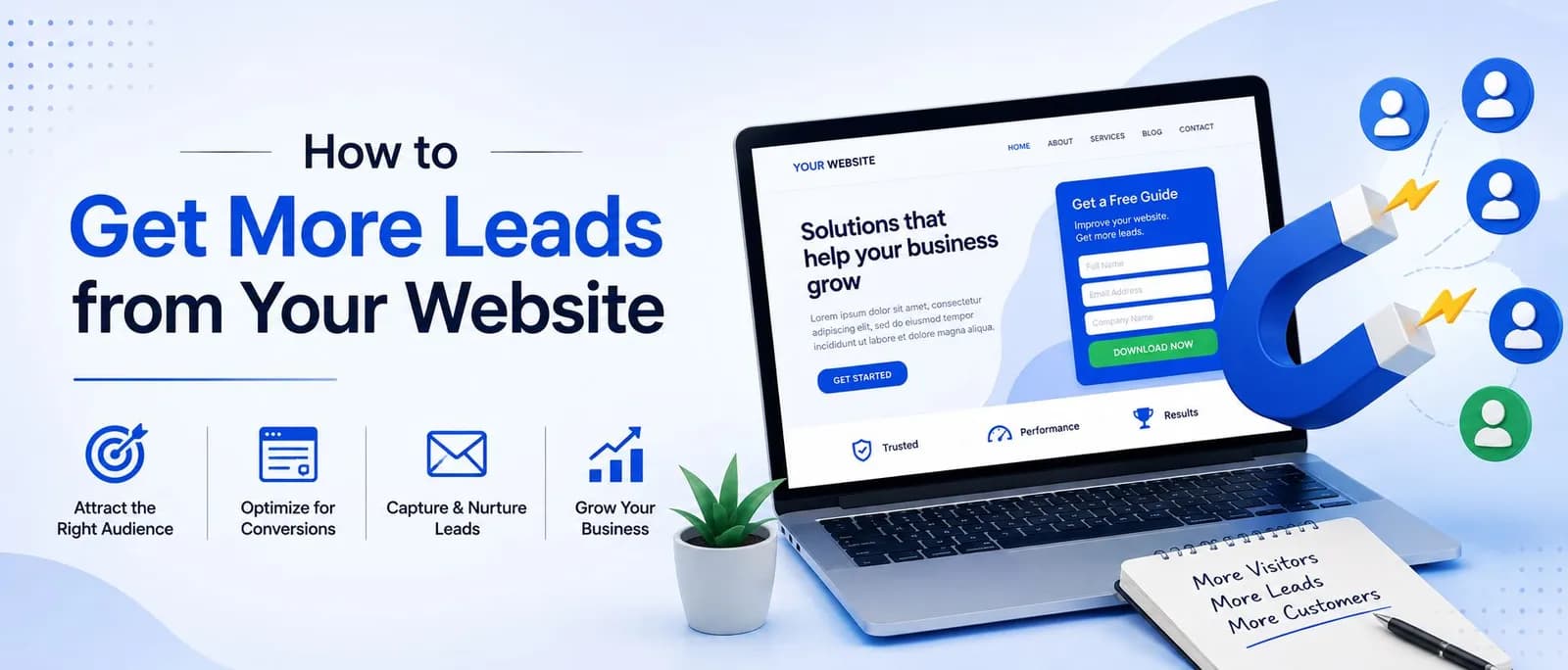
Your website should do more than just look good — it should help generate leads and grow your business. Many businesses get website traffic but fail to convert visitors into customers because their website lacks the right strategy.
Getting more leads is not about adding random forms or popups. It’s about improving user experience, building trust, and guiding visitors toward action.
Here are the most effective ways to get more leads from your website in 2026.
1. Use Clear Call-to-Action (CTA)
Every page on your website should guide visitors toward a specific action.
Examples of effective CTAs:
- Contact Us
- Get a Free Quote
- Book a Demo
- Start Your Project
- Download Now
Your CTA should:
- Be easy to notice
- Use clear language
- Appear in multiple sections of the page
Weak or hidden CTAs reduce conversions.
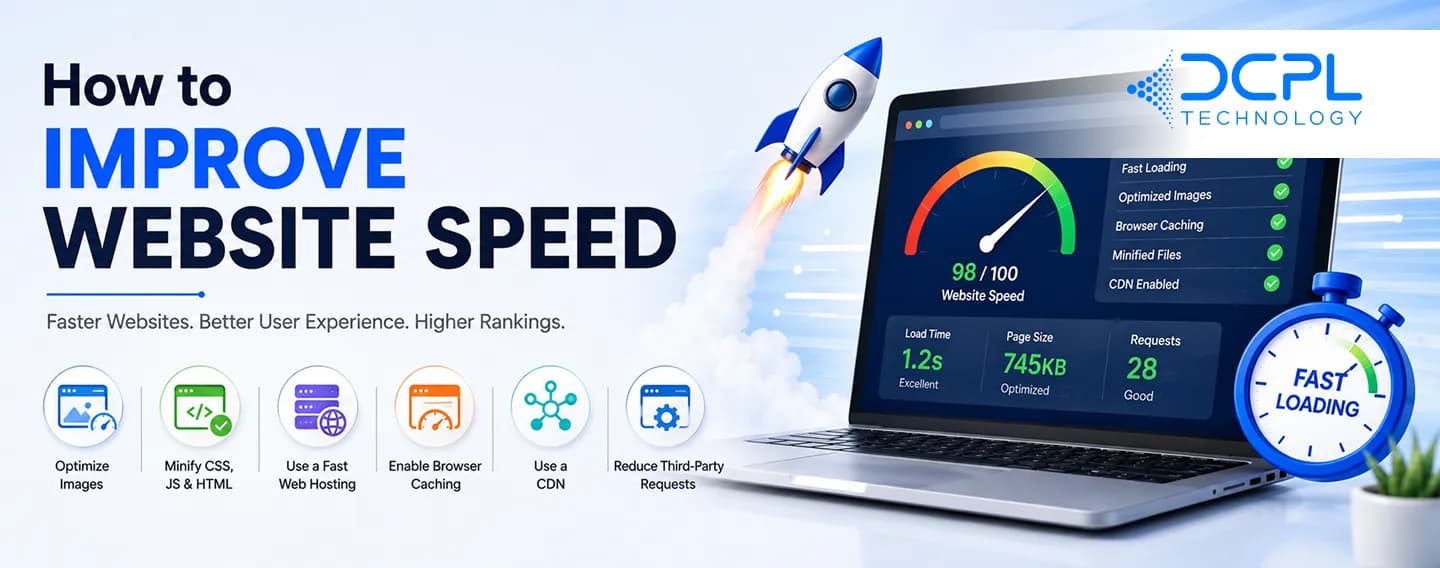
2. Improve Website Speed
A slow website loses visitors quickly. Users expect pages to load fast, especially on mobile devices.
To improve speed:
- Compress images
- Use quality hosting
- Minimize unnecessary scripts
- Optimize website code
Faster websites improve user experience and increase lead generation.
3. Make Your Website Mobile-Friendly
Most users browse websites on smartphones. If your site is difficult to use on mobile, potential leads will leave immediately.
A mobile-friendly website should:
- Load properly on all devices
- Have clickable buttons
- Use readable text
- Provide smooth navigation
Responsive design is essential for conversions.
4. Add Lead Capture Forms
Simple and easy forms increase inquiries.
Best practices:
- Ask only necessary information
- Keep forms short
- Place forms on important pages
- Use clear submit buttons
Long or complicated forms reduce conversion rates.
5. Build Trust with Testimonials and Reviews
Visitors trust real customer experiences more than marketing claims.
Add:
- Customer testimonials
- Google reviews
- Case studies
- Client logos
Trust elements increase credibility and improve lead generation.
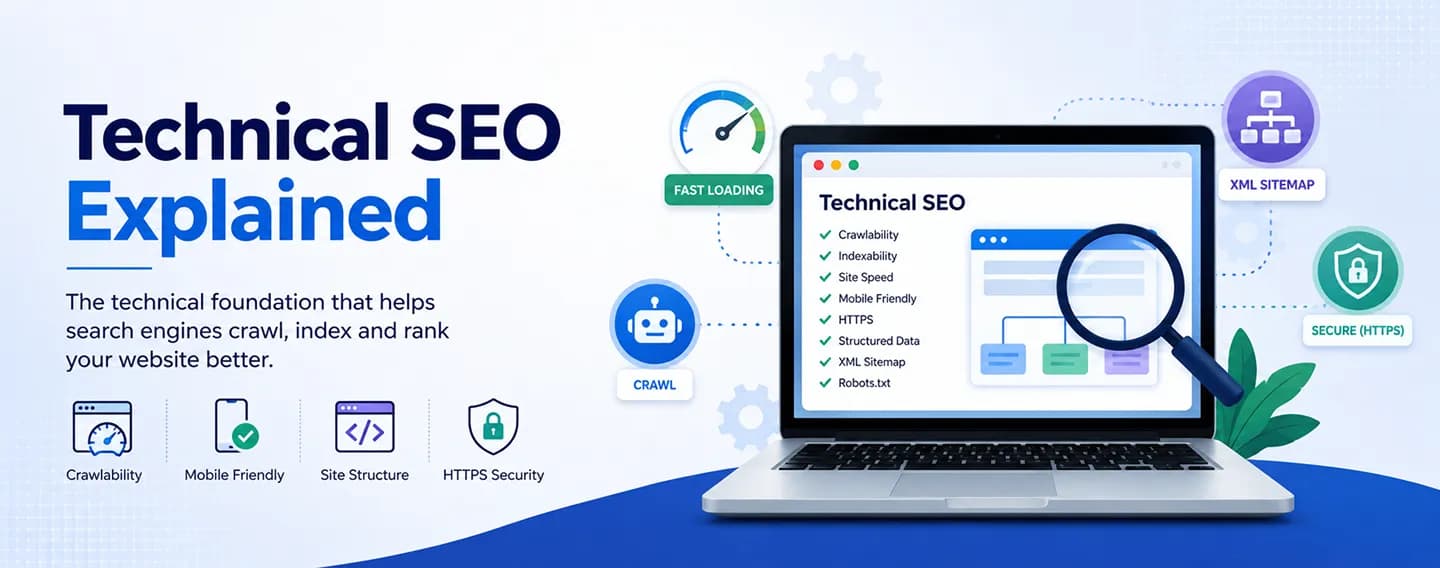
6. Optimize Your Website for SEO
If your website is not ranking on Google, you miss potential leads.
Important SEO elements:
- Keyword optimization
- Meta titles and descriptions
- Fast loading speed
- Internal linking
- High-quality content
SEO brings long-term organic traffic that can convert into leads.
7. Create High-Quality Content
Content helps attract and educate visitors.
Useful content includes:
- Blogs
- Guides
- FAQs
- Industry insights
Good content builds authority and encourages users to contact your business.
8. Use Landing Pages for Campaigns
Dedicated landing pages perform better than general pages.
A good landing page should:
- Focus on one service or offer
- Include a strong CTA
- Remove distractions
- Be optimized for conversions
Landing pages improve ad and marketing campaign results.
9. Add Live Chat or Quick Contact Options
Many visitors prefer instant communication.
Options include:
- Live chat
- WhatsApp integration
- Quick inquiry forms
Faster communication increases conversion chances.
10. Track and Improve Performance
Use analytics tools to understand user behavior.
Track:
- Most visited pages
- Bounce rate
- Conversion rate
- Traffic sources
Data helps you identify what is working and what needs improvement.
Common Mistakes That Reduce Leads
Avoid these mistakes:
- Slow website speed
- Poor mobile design
- Weak CTAs
- Too much clutter
- Lack of trust signals
- Confusing navigation
Even small issues can reduce conversions significantly.
Final Thoughts
A successful website is not just about traffic — it’s about converting visitors into leads. By improving user experience, adding strong CTAs, optimizing for SEO, and building trust, you can turn your website into a powerful lead generation tool.
Businesses that continuously optimize their website usually see better growth, higher engagement, and more conversions over time.