In today’s competitive market, having a business is not enough — you need strong online visibility to grow. Digital marketing helps businesses reach the right audience, generate leads, and increase sales.
But with so many options available, many business owners get confused about which strategies actually work.
This guide explains the best digital marketing strategies for business that deliver real results in 2026.
1. Search Engine Optimization (SEO)
SEO is one of the most powerful long-term strategies.
It helps your website:
- Rank higher on Google
- Get organic (free) traffic
- Build trust and credibility
Key SEO activities include:
- On-page SEO
- Keyword optimization
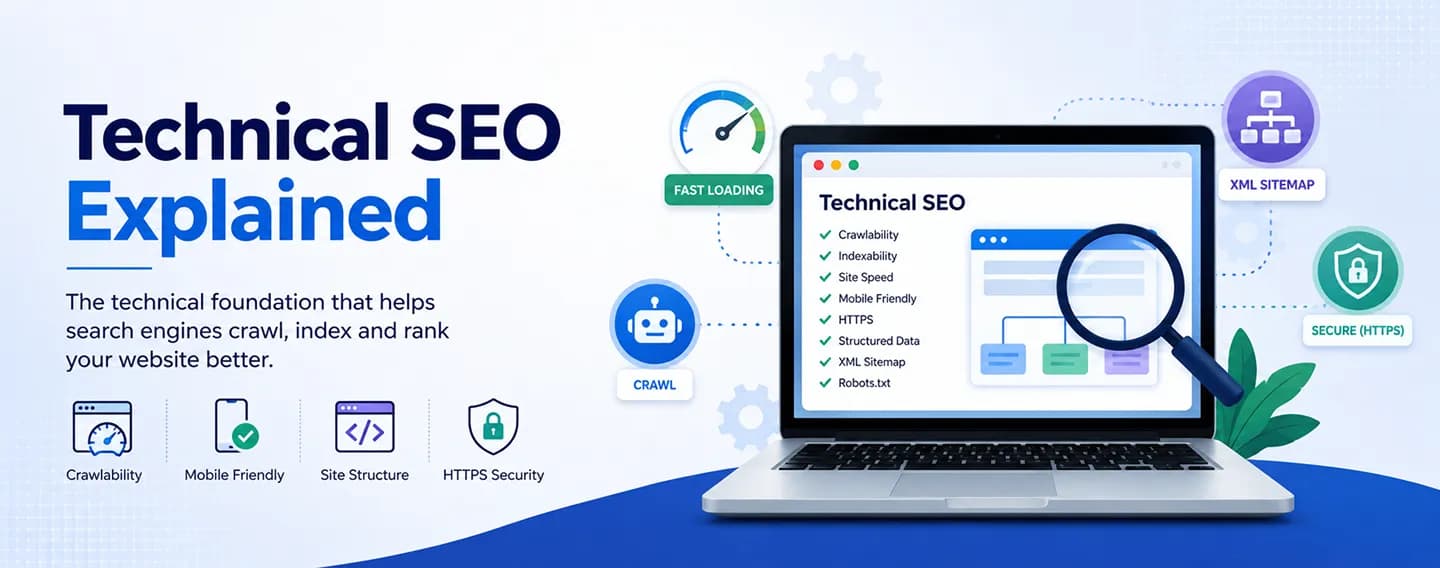
- Technical SEO
- Link building
SEO takes time but delivers consistent and long-lasting results.
2. Content Marketing
Content is the foundation of digital marketing.
Creating valuable content helps you:
- Educate your audience
- Build authority
- Improve SEO ranking
Examples:
- Blog posts
- Guides
- Videos
- Infographics
High-quality content attracts and engages users.
3. Social Media Marketing
Social media platforms are essential for brand awareness.
Benefits include:
- Direct communication with customers
- Increased engagement
- Brand visibility
Popular platforms:
- YouTube
Consistent posting and interaction are key to success.
4. Pay-Per-Click Advertising (PPC)
PPC ads provide instant visibility.
With platforms like Google Ads, you can:
- Appear at the top of search results
- Target specific keywords
- Control your budget
PPC is ideal for quick traffic and lead generation.
5. Email Marketing
Email marketing is one of the most cost-effective strategies.
It helps you:
- Stay connected with customers
- Promote offers
- Increase repeat sales
Personalized emails perform better and improve conversion rates.
6. Local SEO
For local businesses, local SEO is essential.
It helps you:
- Appear in “near me” searches
- Attract nearby customers
- Increase store visits
Important factors:
- Google Business Profile
- Local keywords
- Customer reviews
7. Influencer Marketing
Partnering with influencers can boost your brand quickly.
Benefits:
- Reach targeted audience
- Build trust through recommendations
- Increase brand awareness
Choose influencers relevant to your niche for better results.
8. Video Marketing
Video content is growing rapidly.
Videos help you:
- Explain products easily
- Engage users
- Improve conversions
Platforms like YouTube and Instagram Reels are powerful for marketing.
9. Conversion Rate Optimization (CRO)
Getting traffic is not enough — you need conversions.
CRO focuses on:
- Improving website design
- Optimizing landing pages
- Testing different strategies
Small improvements can lead to big results.
10. Analytics and Data Tracking
Data helps you make better decisions.
Tools like Google Analytics show:
- User behavior
- Traffic sources
- Conversion rates
Tracking performance helps you improve your strategy over time.
Final Thoughts
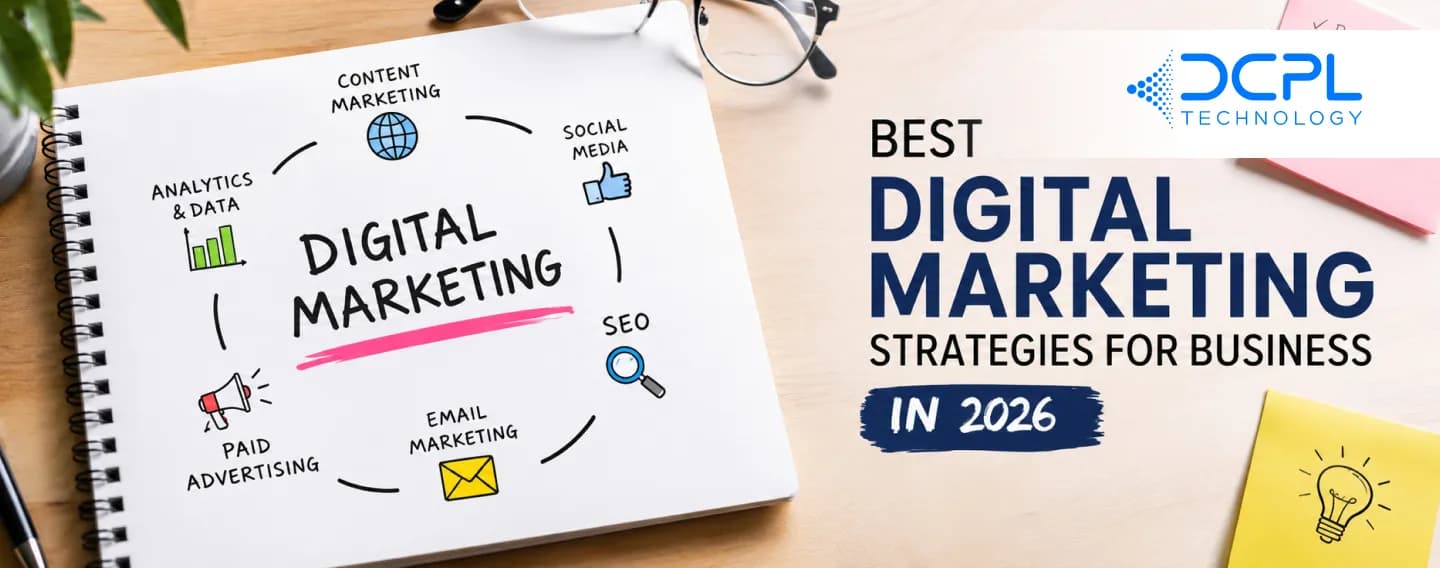
Digital marketing is not about using one strategy — it’s about combining multiple approaches to get the best results.
For most businesses:
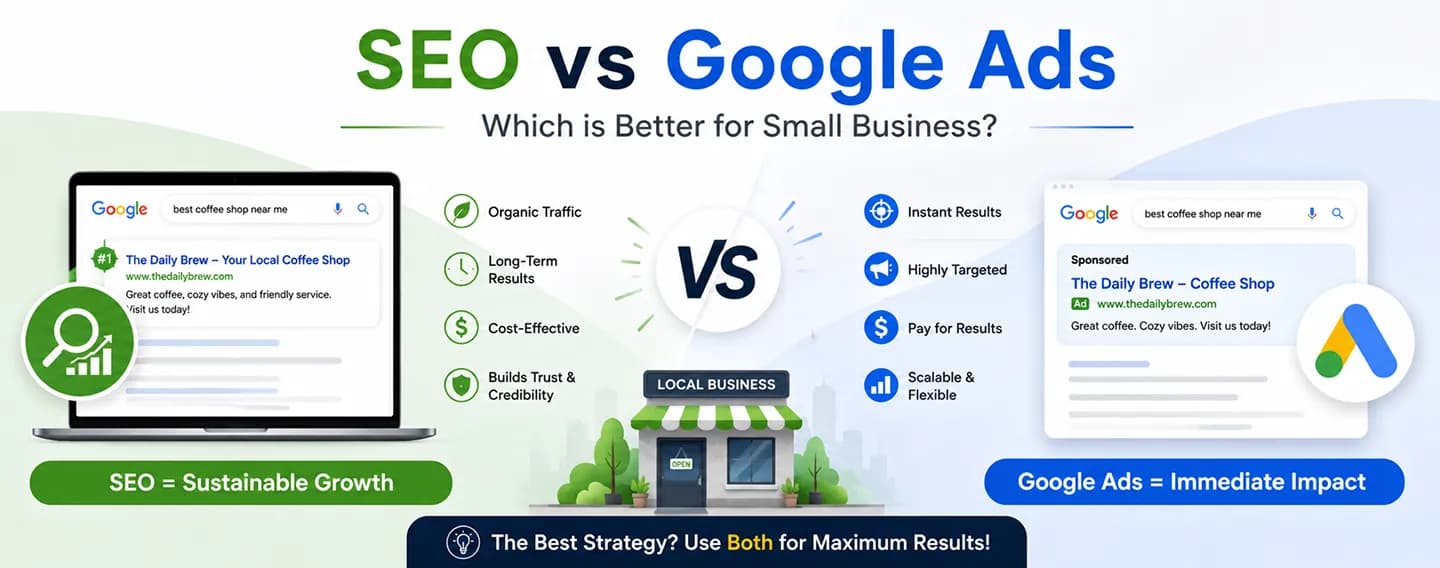
- Use SEO for long-term growth
- Use PPC for quick results
- Use social media for engagement
- Use content for authority
A balanced digital marketing strategy ensures consistent growth and better ROI.