If you want your website to rank on Google, on-page SEO is the first thing you must get right. Many beginners focus on backlinks or ads but forget the basics. Without proper on-page SEO, even the best content may never appear in search results.
This checklist explains on-page SEO in simple terms so beginners can optimize their website step by step.
What Is On-Page SEO?
On-page SEO means optimizing the content and structure of your web pages so search engines understand them better. It includes everything you can control on your website, such as content, titles, headings, URLs, images, and internal links.
Good on-page SEO helps:
- Improve Google rankings
- Increase website traffic
- Improve user experience
- Get better conversion results
On-Page SEO Checklist for Beginners
1. Use One Primary Keyword Per Page
Every page should focus on one main keyword.
Before writing content:
- Choose one main keyword
- Understand search intent (what users want)
- Use related keywords naturally
Do not try to rank one page for many unrelated keywords.
2. Optimize the Page Title (Meta Title)
The meta title is one of the most important on-page SEO factors.
Best practices:
- Keep it under 60 characters
- Include your main keyword
- Make it readable and clickable
Bad titles hurt rankings and click-through rates.
3. Write a Proper Meta Description
Meta descriptions don’t directly affect rankings, but they affect clicks.
Tips:
- Keep it between 140–160 characters
- Clearly explain what the page is about
- Include the main keyword naturally
A good description increases CTR (click-through rate).
4. Use Proper Heading Structure (H1, H2, H3)
Headings help Google understand your content structure.
Rules:
- Use only one H1 per page
- Use H2 for main sections
- Use H3 for sub-points
Your H1 should include the main keyword.
5. Optimize URL Structure
SEO-friendly URLs are short and clear.
Good URL example:
yoursite.com/on-page-seo-checklist
Avoid:
- Long URLs
- Random numbers
- Special characters
Clean URLs improve rankings and user trust.
6. Write High-Quality, Useful Content
Content is the core of on-page SEO.
Good content should:
- Solve the user’s problem
- Be easy to read
- Be original
- Provide real value
Avoid keyword stuffing. Use keywords naturally.
7. Optimize Images
Images improve engagement, but unoptimized images slow your site.
Image SEO checklist:
- Compress images
- Use descriptive file names
- Add ALT text with keywords
- Use correct image size
Image optimization improves speed and accessibility.
8. Internal Linking Is Mandatory
Internal links help search engines crawl your website and pass authority.
Best practices:
- Link to related pages
- Use meaningful anchor text
- Don’t over-link
Internal linking improves SEO and user navigation.
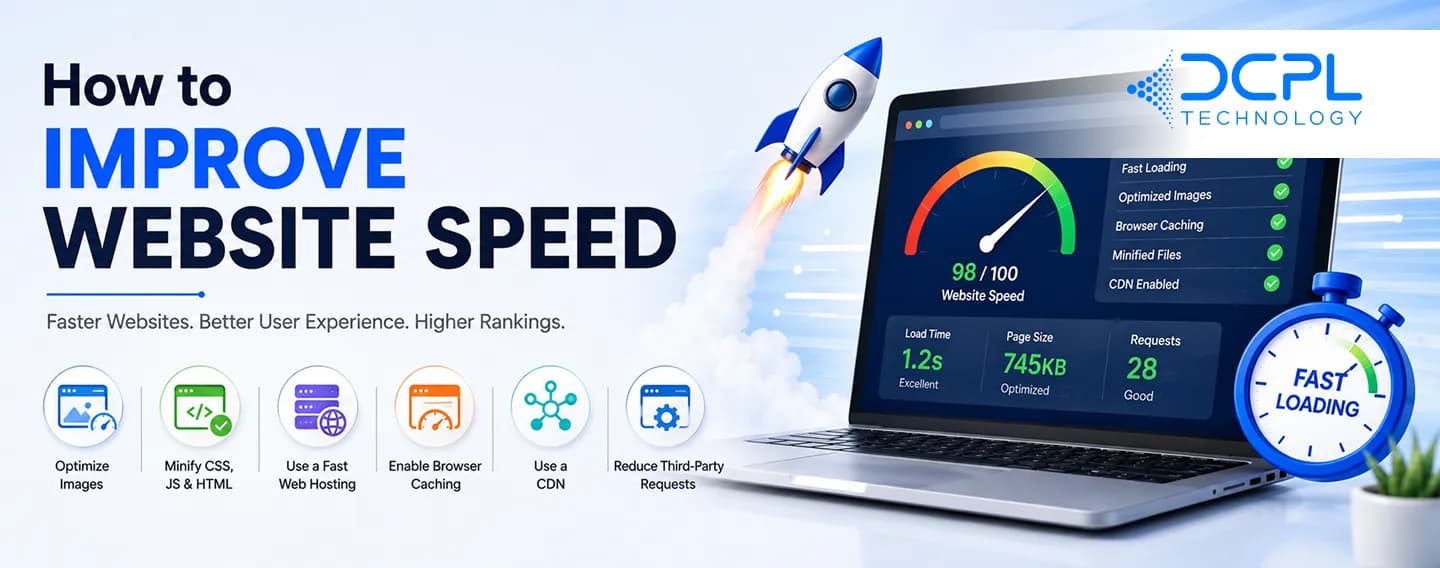
9. Improve Page Speed
Slow websites lose rankings and users.
Basic speed tips:
- Use fast hosting
- Compress images
- Remove unnecessary plugins
- Minify CSS and JavaScript
Page speed is a confirmed Google ranking factor.
10. Make the Page Mobile-Friendly
Google uses mobile-first indexing, so your site must work perfectly on mobile.
Check:
- Responsive design
- Readable text
- Clickable buttons
- Fast mobile loading
Mobile optimization is no longer optional.
11. Use Schema Markup (Optional for Beginners)
Schema helps search engines understand your content better.
It can improve:
- Rich results
- Click-through rate
- Visibility
Beginners can start with basic schema later.
12. Avoid Duplicate Content
Duplicate content confuses search engines.
Make sure:
- Each page has unique content
- No copied text from other sites
- Canonical tags are used when needed
Unique content ranks better.
Final Thoughts
On-page SEO is the foundation of search engine optimization. If beginners focus on these basics and apply them consistently, rankings and traffic will improve over time.
You don’t need advanced tools or tricks to start — just follow this checklist and optimize every page properly.
For faster and better results, many businesses work with professional SEO services or an experienced SEO company to handle on-page SEO correctly.