In today's digital world, having a website or mobile app is not enough. The real challenge is creating an experience that keeps users engaged and encourages them to take action. This is where UI/UX design plays a crucial role.
Many businesses invest heavily in marketing to bring visitors to their website, but if the design is confusing or difficult to use, those visitors leave without becoming customers.
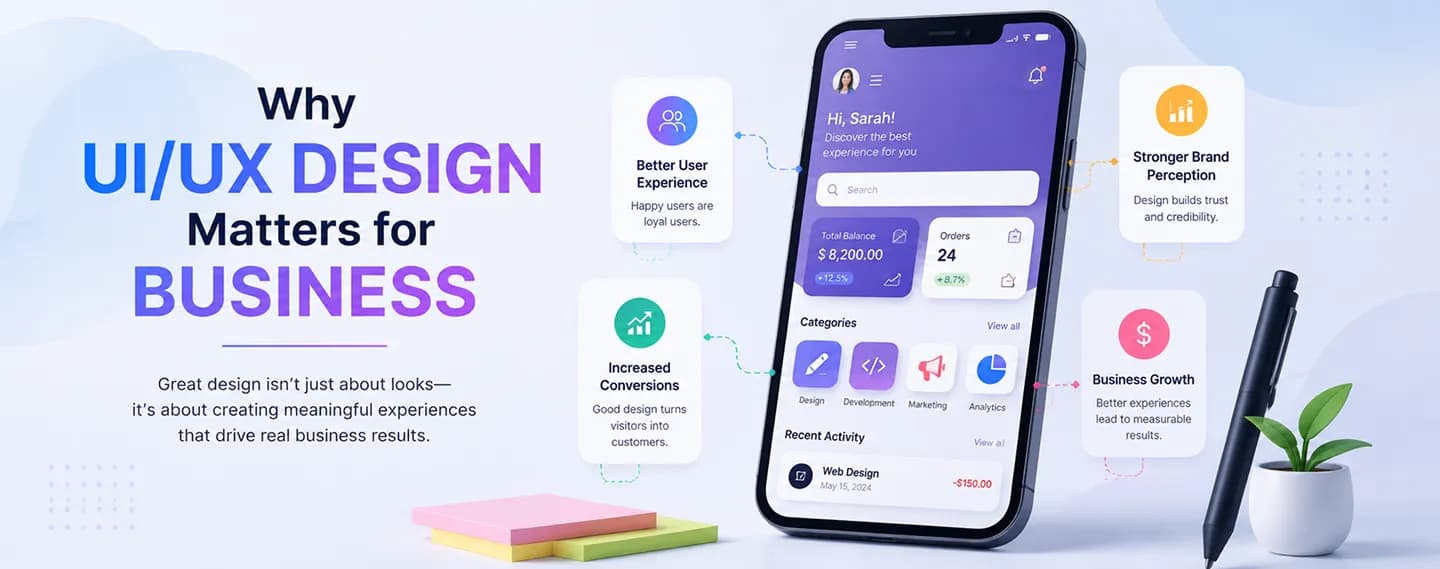
A well-planned UI/UX design helps businesses improve customer satisfaction, increase conversions, and build long-term trust.
Understanding UI and UX Design
Before discussing their importance, let's understand the difference.
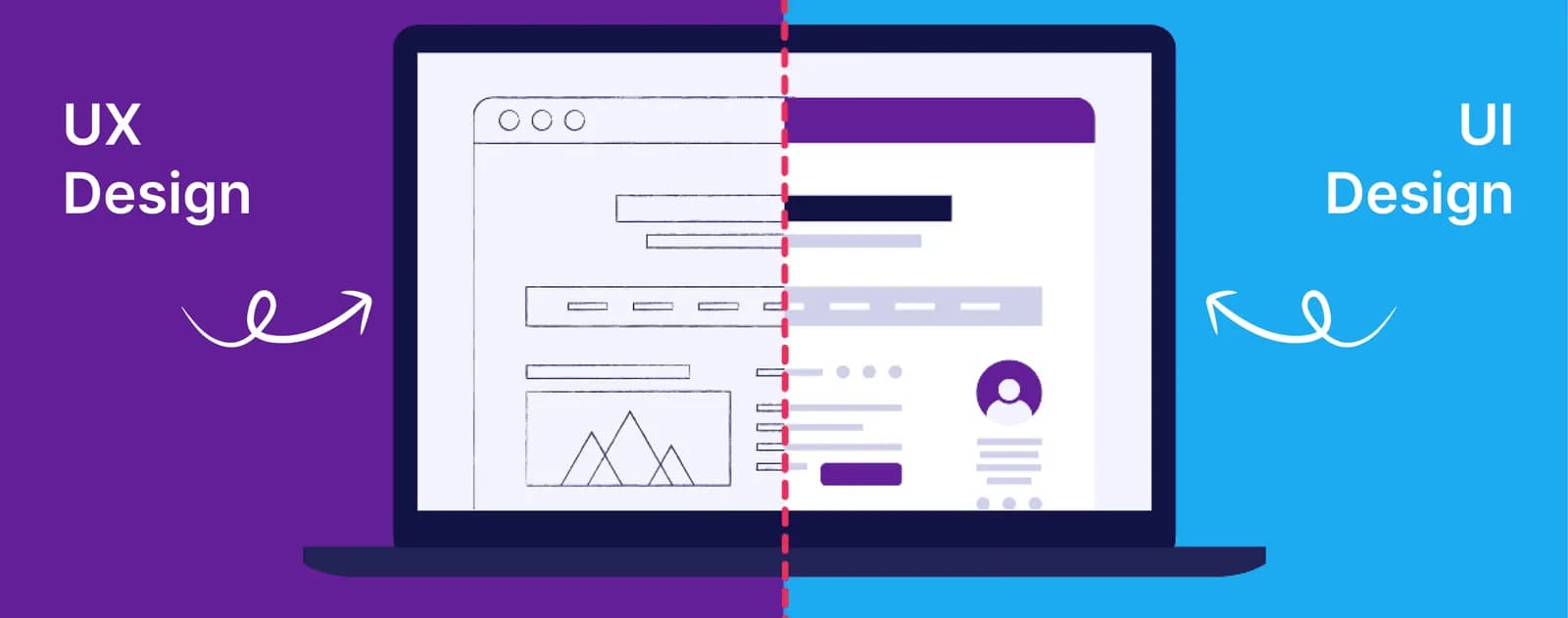
What Is UI Design?
UI (User Interface) Design focuses on the visual elements users interact with, such as:
- Buttons
- Menus
- Colors
- Typography
- Layouts
UI design determines how a website or application looks.
What Is UX Design?
UX (User Experience) Design focuses on how users interact with the product.
It includes:
- User research
- Navigation planning
- User journeys
- Accessibility
- Usability testing
UX design determines how a website or application feels and functions.
Together, UI and UX create a seamless and enjoyable user experience.
1. Creates a Strong First Impression
Users form an opinion about a website within seconds.
A professional UI/UX design helps:
- Build trust instantly
- Create a positive brand image
- Encourage visitors to stay longer
A poorly designed website often causes visitors to leave before exploring your services.
2. Improves User Experience
Customers expect websites to be easy to use.
Good UX design ensures:
- Simple navigation
- Fast access to information
- Smooth user journeys
- Easy interactions
When users can quickly find what they need, they are more likely to become customers.
3. Increases Conversion Rates
One of the biggest benefits of UI/UX design is improved conversions.
A well-designed website can encourage visitors to:
- Fill out contact forms
- Request quotes
- Make purchases
- Book consultations
Small design improvements often lead to significant increases in conversions.
4. Reduces Bounce Rate
Bounce rate refers to visitors leaving a website without taking any action.
Common reasons include:
- Poor navigation
- Slow loading pages
- Confusing layouts
- Cluttered design
Good UI/UX design keeps users engaged and encourages them to explore more pages.
5. Enhances Mobile User Experience
Most internet users access websites through mobile devices.
A mobile-friendly UI/UX design provides:
- Responsive layouts
- Easy navigation
- Better readability
- Faster interactions
Mobile optimization is essential for both user satisfaction and SEO performance.
6. Builds Customer Trust and Credibility
Users trust businesses that provide a professional digital experience.
A well-designed website communicates:
- Reliability
- Professionalism
- Attention to detail
Trust is one of the most important factors in converting visitors into customers.
7. Supports Search Engine Optimization (SEO)
Although UI/UX design is not a direct ranking factor, it significantly impacts SEO performance.
Good UI/UX helps:
- Improve page speed
- Reduce bounce rates
- Increase user engagement
- Improve mobile usability
These factors contribute to better search engine rankings.
8. Strengthens Brand Identity
Consistent design helps users remember your brand.
Elements that support branding include:
- Consistent colors
- Typography
- Visual style
- User interactions
Strong branding creates a professional image and improves recognition.
9. Improves Customer Retention
Acquiring new customers is expensive. Keeping existing customers is often more profitable.
A positive user experience encourages users to:
- Return to your website
- Continue using your services
- Recommend your business to others
Customer retention is one of the biggest long-term benefits of good UX design.
10. Provides Competitive Advantage
In many industries, businesses offer similar products and services.
A superior user experience can become a key differentiator.
Companies that invest in UI/UX design often:
- Attract more customers
- Generate more leads
- Achieve higher customer satisfaction
Better user experience often leads to better business results.
Common UI/UX Design Mistakes Businesses Make
Avoid these common mistakes:
- Overcomplicated navigation
- Slow-loading pages
- Poor mobile responsiveness
- Too many popups
- Inconsistent design
- Weak call-to-action buttons
Fixing these issues can dramatically improve user experience.
Final Thoughts
UI/UX design is much more than making a website look attractive. It directly impacts user satisfaction, conversions, customer retention, and business growth.
A website with excellent UI/UX design helps visitors find information easily, builds trust, and encourages action. In today's competitive digital environment, investing in professional UI/UX design is not an option—it's a necessity.
Businesses that prioritize user experience are more likely to attract customers, improve engagement, and achieve long-term success.